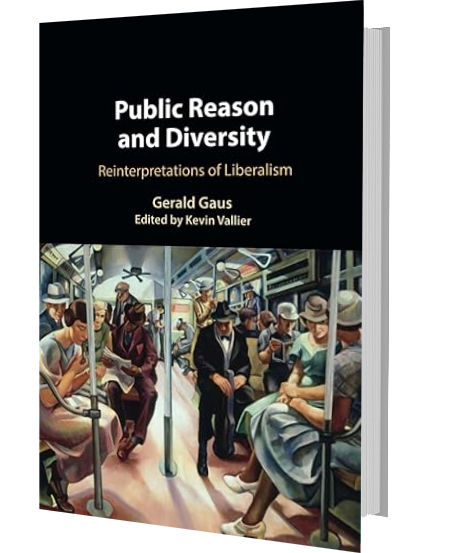
Public Reason and Diversity
Gerald Gaus was one of the leading liberal theorists of the late twentieth and early twenty-first centuries. He developed a pioneering defence of the liberal order based on its unique capacity to handle diversity and disagreement, and he presses the liberal tradition towards a principled openness to pluralism and diversity…
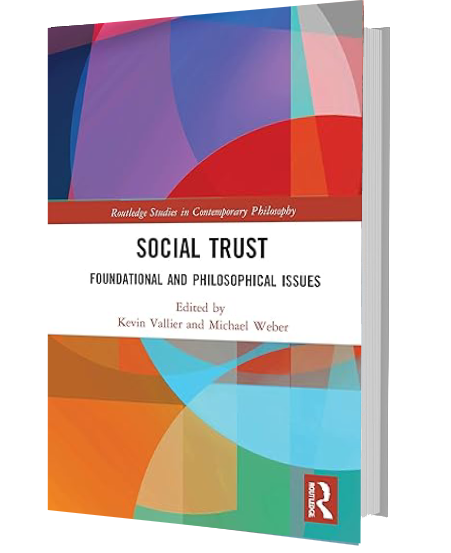
Social Trust: Foundational and Philosophical Issues
With increasingly divergent views and commitments, and an all-or-nothing mindset in political life, it can seem hard to sustain the level of trust in other members of our society necessary to ensure our most basic institutions work. This book features interdisciplinary perspectives on social trust…
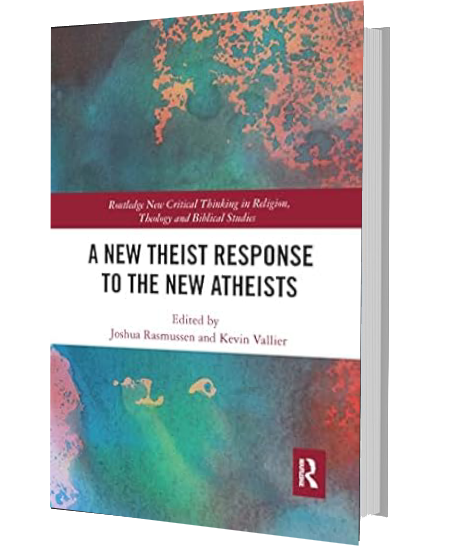
A New Theist Response to the New Atheists
In response to the intellectual movement of New Atheism, this volume articulates a “New Theist” response that has at its core a desire to engage in productive and depolarizing dialogue.To ensure this book is of interest to atheists and theists alike, a team of experts in the field of philosophy of religion offer an assessment…
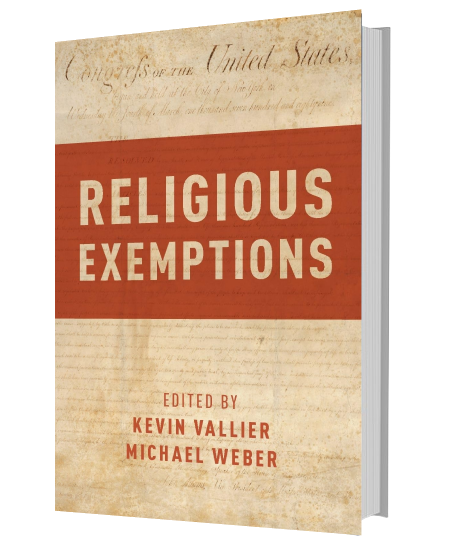
Religious Exemptions
Religious exemptions have a long history in American law, but have become especially controversial over the last several years. The essays in this volume address the moral and philosophical issues that the legal practice of religious exemptions often raises…
Editorial Reviews
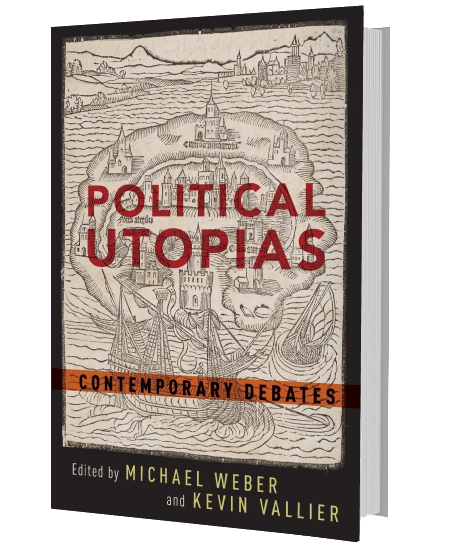
Political Utopias: Contemporary Debates
Political theory, from antiquity to the present, has been divided over the relationship between the requirements of justice and the limitations of persons and institutions to meet those requirements. Some theorists hold that a theory of justice should be utopian or idealistic–that the derivation of the correct principles…